Get Ceiling Trim Repair
Ceiling trim repair services fix sagging, cracked, or damaged ceiling edges and moldings, helping property owners restore a clean, finished look with the help of local contractors.
Ceiling trim repair is an important aspect of maintaining the appearance and integrity of interior spaces. Property owners in the area might consider this work to address issues such as water damage, cracking, or general wear and tear that can occur over time. Properly repaired ceiling trim can enhance the overall look of a room, prevent further damage, and help preserve the value of a property. Exploring local contractors who specialize in ceiling trim repair can provide options tailored to specific needs, ensuring that the work is handled efficiently and effectively.
For those planning home improvement projects or renovations, understanding the options available for ceiling trim repair is a practical step. Comparing local service providers allows property owners to find experienced contractors who can deliver quality results. Whether addressing minor cosmetic issues or more extensive damage, connecting with the right local professionals can help ensure the project is completed to satisfaction. Keep reading to learn more about how to find trusted ceiling trim repair services in the area.
- Ceiling Trim Repair - when existing trim is damaged or loose and needs to be restored for a finished look.
- Ceiling Trim Replacement - if the current trim is outdated, cracked, or beyond repair, requiring a full replacement.
- Ceiling Molding Restoration - to address issues like warping, gaps, or peeling that affect the appearance of ceiling moldings.
- Ceiling Crown Molding Repair - when crown molding has become detached or damaged, impacting the room’s aesthetic appeal.
- Ceiling Edge Finishing - to improve the clean lines and overall presentation of ceiling edges after construction or renovation work.
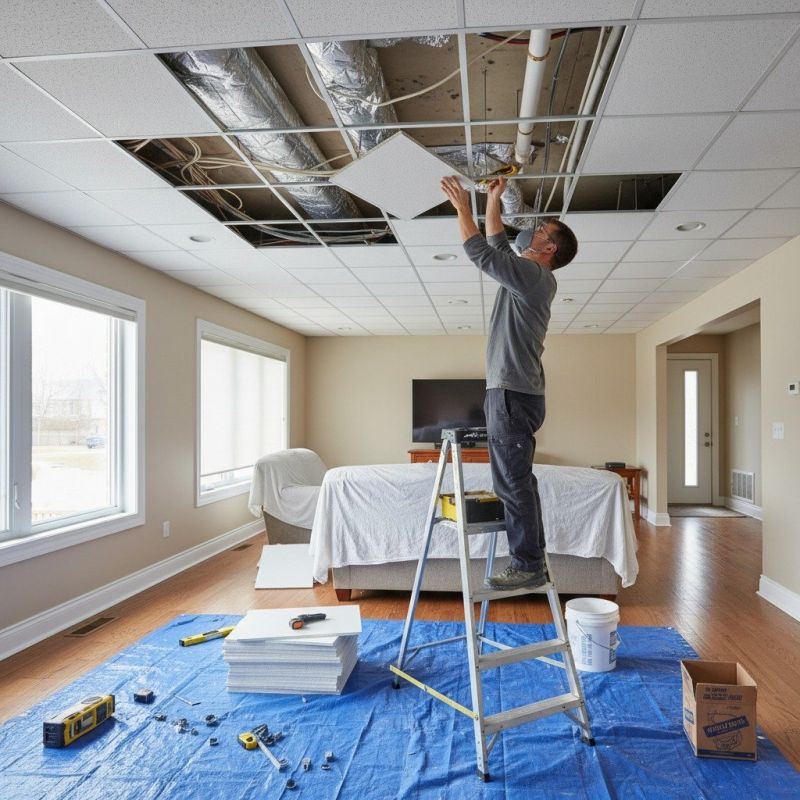


Ceiling trim repair involves restoring the decorative molding or border that runs along the junction where the ceiling meets the walls. Over time, these trims can become damaged due to settling, moisture, or impact, leading to cracks, chips, or sagging. Skilled contractors can carefully remove damaged sections, fill in gaps, and reinstall or replace trim pieces to restore the ceiling’s finished appearance. This service helps improve the overall look of a room by addressing imperfections that detract from its aesthetic appeal.
Problems with ceiling trim are common in homes experiencing shifting foundations, water leaks, or accidental impacts. Cracks and gaps in the trim not only look unsightly but can also allow dust and debris to accumulate, making cleaning more difficult. In some cases, damaged trim can cause the ceiling paint to peel or deteriorate further, leading to more extensive repairs. Repairing or replacing ceiling trim can prevent these issues from worsening and help maintain the integrity of the ceiling’s structure.
Ceiling trim repair services are typically used in residential properties, including single-family homes, apartments, and condominiums. These properties often feature decorative moldings that add character to living rooms, bedrooms, and hallways. Commercial spaces such as offices, retail stores, and hospitality venues may also require trim repairs, especially if they feature decorative ceilings or crown molding. Homeowners and property managers who notice cracks, sagging, or damage in their ceiling trim are encouraged to seek professional repair services to keep their spaces looking well-maintained.
Professionals who handle ceiling trim repair are equipped to work with various materials, including wood, plaster, or polyurethane molding. They can address a range of issues from minor cosmetic cracks to more extensive damage caused by water or structural movement. Whether a property needs a simple patch or a complete replacement of the trim, local contractors can assess the damage and recommend the best solution. Contacting experienced service providers ensures that ceiling trim repairs are completed efficiently and to a high standard, helping properties maintain a polished, finished appearance.
The overview below groups typical Ceiling Trim Repair projects into broad ranges so you can see how smaller, mid-sized, and larger jobs often compare in your area.
In many markets, a large share of routine jobs stays in the lower and middle ranges, while only a smaller percentage of projects moves into the highest bands when the work is more complex or site conditions are harder than average.
Smaller Repairs - Most minor ceiling trim repairs typically cost between $100 and $300. Many routine fixes, such as reattaching loose trim or filling small cracks, fall within this range. Larger or more involved small jobs may approach $400.
Moderate Fixes - Mid-sized projects, including replacing sections of damaged trim or refinishing, usually range from $300 to $800. These are common for repairs that require more extensive work but do not involve full replacement.
Full Replacement - Replacing entire ceiling trim in a room often costs between $1,000 and $2,500. Larger, more complex projects or multiple rooms can push costs higher, sometimes exceeding $3,000.
Complex or Large-Scale Projects - Extensive renovations or custom trim installations can reach $5,000 or more. These projects are less common and typically involve intricate designs or high-end materials, handled by experienced local contractors.
Actual totals will depend on details like access to the work area, the scope of the project, and the materials selected, so use these as general starting points rather than exact figures.
Drywall Installation and Repair - Professionals skilled in drywall work often handle ceiling trim repairs as both involve precise finishing and attention to detail.
Crown Molding Installation - Installing crown molding requires similar planning and tools as ceiling trim repair, making it a related service offered by many local contractors.
Ceiling Texture and Finishing - Achieving a smooth or textured ceiling finish shares techniques with ceiling trim repair, requiring careful surface preparation and finishing skills.
Interior Wall Paneling - Installing wall panels involves measuring, cutting, and securing materials, paralleling the skills used in ceiling trim work.
Popcorn Ceiling Removal - Removing textured ceilings often involves working near ceiling trims, requiring similar safety precautions and surface preparation skills.
Coffered Ceiling Installation - Creating decorative ceiling features involves planning and carpentry skills comparable to those needed for ceiling trim repairs.
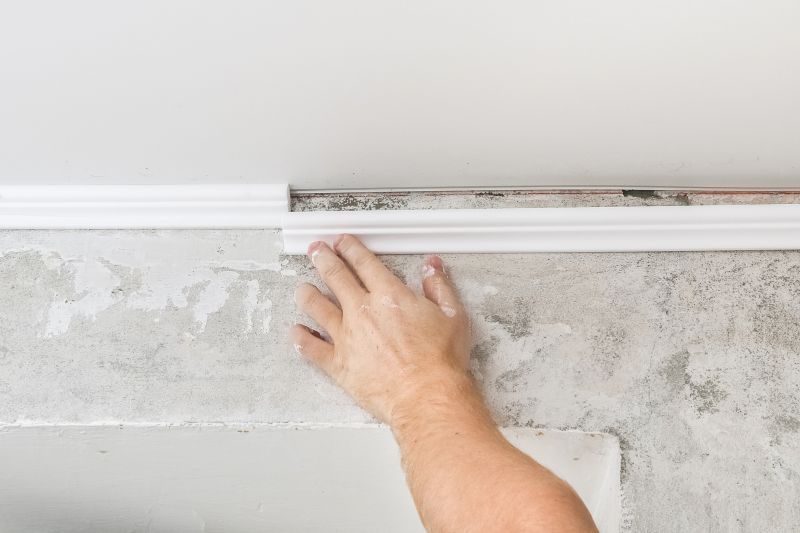
When evaluating potential service providers for ceiling trim repair, it’s important to consider their experience with similar projects. Homeowners should look for local contractors who have a proven track record of handling ceiling trim repairs comparable to the scope of their own project. An experienced professional is more likely to understand common challenges, use appropriate techniques, and deliver results that meet expectations. Asking about past work or requesting examples of completed projects can help gauge a contractor’s familiarity with ceiling trim repair and their ability to handle the specific details involved.
Clear, written expectations are vital to ensuring that both the homeowner and the service provider are aligned on the scope of work. When contacting local contractors, it’s beneficial to discuss the details of the project upfront, including the materials to be used, the level of finish, and any specific preferences. Having these expectations documented helps prevent misunderstandings and provides a reference point throughout the project. Homeowners should seek service providers who are willing to communicate openly and provide detailed descriptions of their approach, ensuring that everyone is on the same page before work begins.
Reputable references and good communication are key indicators of a reliable ceiling trim repair professional. Homeowners are encouraged to ask local contractors for references from previous clients who had similar work done. Contacting these references can provide insights into the contractor’s professionalism, quality of work, and ability to meet deadlines. Additionally, effective communication-such as prompt responses, clarity in explanations, and willingness to answer questions-can make the project smoother and more predictable. It’s important to remember that this site introduces people to local options for ceiling trim repair, but it does not perform the work itself; choosing a reputable, experienced, and communicative service provider can help ensure a successful outcome.
Property owners use Ceiling Trim Repair services for practical projects around their homes and businesses. This guide focuses on everyday jobs and straightforward project options.
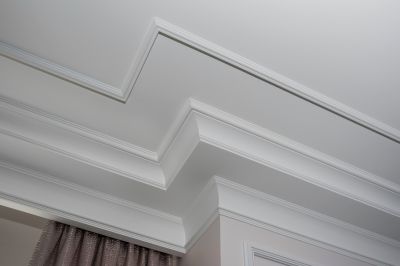

Ceiling trim repair is often needed when homeowners notice cracks, sagging, or damage along the edges of their ceilings. These issues can arise from settling foundations, humidity changes, or minor impacts, making it important to address them before they worsen. Local contractors who specialize in ceiling repairs can help restore the appearance of a room and prevent further deterioration, ensuring the ceiling remains safe and visually appealing.
Property owners may seek ceiling trim repair services after renovations, water leaks, or accidental bumps that cause damage to the trim or crown molding. Over time, wear and tear can also lead to gaps or chipped paint, prompting the need for professional attention. Local service providers are equipped to handle these common issues efficiently, helping to maintain the overall look and integrity of interior spaces.
What types of ceiling trim repair services are available? Local contractors offer a range of ceiling trim repairs, including fixing cracks, replacing damaged molding, and restoring textured finishes to improve the appearance of ceilings.
How can ceiling trim damage be identified? Signs of ceiling trim damage include visible cracks, peeling paint, sagging sections, or gaps between the trim and ceiling surface, which may indicate the need for repair.
Are there different materials used for ceiling trim repair? Yes, service providers typically work with various materials such as wood, plaster, or polyurethane, depending on the existing trim and desired finish.
What causes ceiling trim to become damaged? Common causes include settling of the building, moisture issues, impacts, or age-related wear, all of which can lead to cracks, warping, or separation.
How do local service providers ensure quality ceiling trim repairs? Experienced contractors assess the damage, select appropriate materials, and use proper techniques to restore or replace ceiling trim effectively.
Ceiling Trim Repair for Home Renovations - Repairing damaged trim can improve the appearance of a room during a remodeling project.
Fixing Ceiling Trim for Water Damage - Local contractors can restore trim affected by leaks or humidity to maintain a polished look.
Updating Interior Decor with New Ceiling Trim - Replacing or repairing trim can enhance the style of living spaces or bedrooms.
Preparing for Painting or Wallpapering - Repairing ceiling trim provides a smooth surface for finishing touches in interior decorating projects.
If you are thinking about Ceiling Trim Repair for a property, this guide is meant to help you understand the work, the typical project types, and how different options might fit your plans.
When you are ready, you can use the quote form on this page to share a few details about your project. From there, local pros can review the basics and respond with options that match what you have in mind.